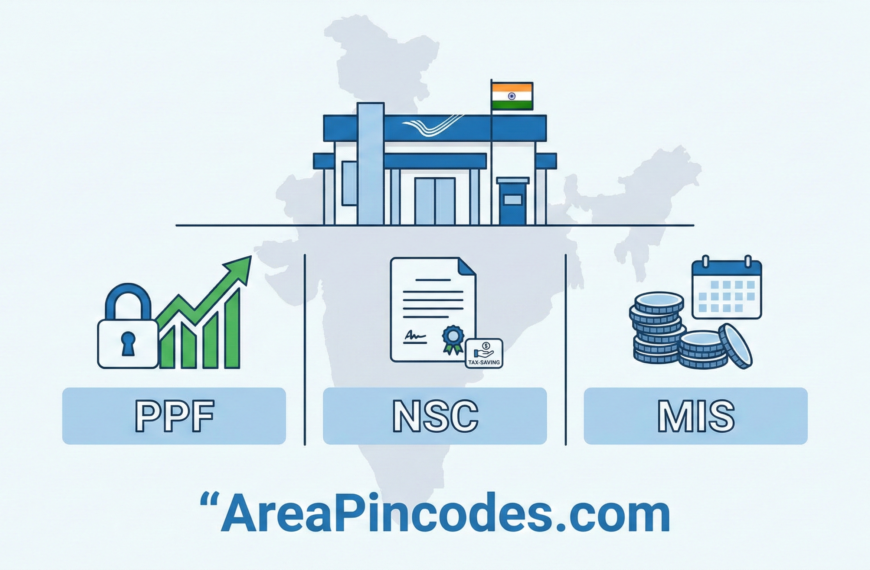

In a volatile financial market, many Indian investors are searching for safe investment options with guaranteed returns. The Indian Postal Service, widely known for delivering letters and parcels, also operates one of the oldest and most trusted financial institutions in India. Post Office savings schemes are government-backed, secure, and offer attractive interest rates along with tax benefits, making them a popular choice for risk-averse investors.
Whether you are a retiree seeking steady income, a parent planning for your child’s education, or simply looking for a long-term investment, India Post has a scheme for you.
1. Public Provident Fund (PPF)
The PPF account is a long-term investment scheme with a lock-in period of 15 years, ideal for retirement planning.
- Tax Benefit: Contributions up to ₹1.5 lakh per financial year are eligible for deduction under Section 80C of the Income Tax Act.
- Interest: Interest earned on the PPF account is completely tax-free.
- Flexibility: Partial withdrawals are allowed after the 7th financial year.
Why choose PPF?
PPF combines safety, tax benefits, and long-term growth, making it a cornerstone of any conservative investment portfolio.
2. Sukanya Samriddhi Yojana (SSY)
The Sukanya Samriddhi Yojana is specifically designed for the girl child, promoting financial security and empowerment.
- Purpose: Build a fund for your daughter’s education and marriage.
- Interest Rate: Offers one of the highest interest rates among government small savings schemes.
- Tax Benefit: Contributions qualify for deductions under Section 80C, and interest earned is tax-free.
Why choose SSY?
It ensures your daughter has a secure financial future while giving you maximum tax benefits.
3. Post Office Monthly Income Scheme (MIS)
The Monthly Income Scheme (MIS) is perfect for retirees or senior citizens who require a fixed monthly income.
- How it works: Deposit a lump sum and receive monthly interest payouts.
- Interest Rate: Competitive rates compared to fixed deposits in banks.
- Safety: Fully backed by the Government of India.
Why choose MIS?
MIS is a low-risk option for those who want steady monthly cash flow without market volatility.
4. National Savings Certificate (NSC)
The National Savings Certificate (NSC) is a 5-year fixed deposit scheme primarily used for tax-saving purposes.
- Security: High security as the scheme is government-backed.
- Tax Benefits: Eligible for Section 80C deductions.
- Interest: Accrued interest is taxable, but the principal is secure.
Why choose NSC?
NSC is suitable for conservative investors who want long-term savings with tax advantages.
5. Senior Citizen Savings Scheme (SCSS)
The Senior Citizen Savings Scheme (SCSS) is specifically for individuals above 60 years of age.
- Interest Payout: Offers high quarterly interest payouts.
- Safety: Completely government-backed, reducing risk for senior citizens.
- Tax Benefit: Investments qualify for Section 80C deductions, subject to limits.
Why choose SCSS?
SCSS provides regular income and financial security in the golden years, making it an ideal choice for retirees.
Why Invest in Post Office Schemes?
- 100% Safety: Unlike private banks, your money in post office schemes is guaranteed by the Government of India.
- Wide Accessibility: Accounts can be opened at any Sub Office or Head Office across India.
- Attractive Returns: Many schemes offer higher interest rates than traditional fixed deposits.
- Tax Benefits: Multiple schemes provide tax deductions under Section 80C.
- Simplicity: Easy to operate and low maintenance compared to mutual funds or stock investments.
Pro Tip: Always check the latest interest rates and scheme updates on AreaPincodes.com before investing.
Conclusion
Investing in Post Office savings schemes is a safe, reliable, and tax-efficient way to secure your financial future. Whether you are planning for retirement, your child’s education, or monthly income, India Post has a scheme to meet your needs. By 2026, these five schemes—PPF, SSY, MIS, NSC, and SCSS—remain the top choices for guaranteed returns and financial security.