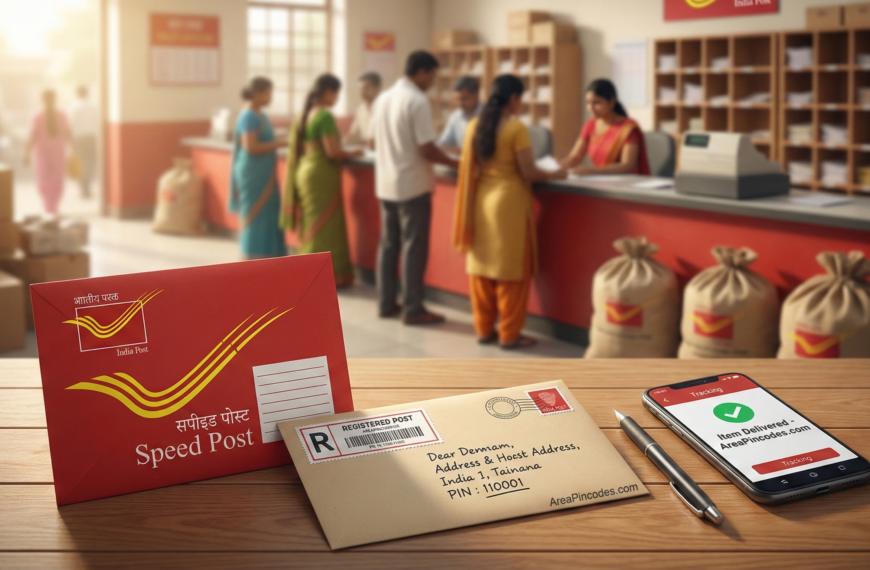
If you live in India, you’ve probably come across the term “PIN code” a thousand times—on packages, forms, or even when you’re online shopping. PIN codes are the backbone of India’s postal system. They’re not just numbers you tack onto an address; they help make sure your mail or parcel actually finds its way to the right door. Whether you’re sending a letter, filling out a government form, or waiting for your latest online order, getting the PIN code right is a big deal. Here’s a straightforward look at what PIN codes mean, how they work, and how you can use them without any hassle.
What Is a PIN Code?
Let’s start with the basics: PIN stands for Postal Index Number. India Post rolled out this system back in 1972 to make mail sorting less of a headache. Each region gets its own unique six-digit code, which cuts down on mix-ups—especially in places with the same or similar names. With a PIN code, postal workers know exactly where to deliver your stuff.
Here’s how those six digits break down:
- The first digit shows the postal zone.
- The second narrows it down to the sub-zone or district.
- The third points to the sorting district.
- The last three digits tell you which post office actually handles the delivery.
This system keeps things running smoothly, especially in a country as big and varied as India.
How Indian PIN Codes Are Structured
Every PIN code in India is made up of six numbers, and each one has a job:
First Digit: Postal Zone
There are nine zones, and yes, one is just for the Indian Army. The first digit tells you the broad region.
Second Digit: Sub-Zone
Combine this with the first digit, and you get the region or circle within the zone.
Third Digit: Sorting District
Add in the third, and you’re down to the sorting district within that region.
Last Three Digits: Delivery Post Office
These last three numbers pinpoint the exact post office for delivery.
Here’s an example: Take PIN code 110001.
- The “1” puts you in the Northern postal zone.
- “10” means you’re in the Delhi sorting region.
- “001” is the New Delhi GPO—the exact post office.
Indian Postal Zones and Numbering
India’s PIN codes are split into nine main zones:
- Northern: Delhi, Haryana, Punjab, Himachal Pradesh
- Western: Rajasthan, Gujarat, Maharashtra
- Southern: Tamil Nadu, Kerala, Karnataka
- Eastern: West Bengal, Odisha, Bihar, Jharkhand
- Central: Madhya Pradesh, Chhattisgarh
- North Eastern: Assam, Meghalaya, Manipur, Tripura, Nagaland, Arunachal Pradesh, Mizoram, Sikkim
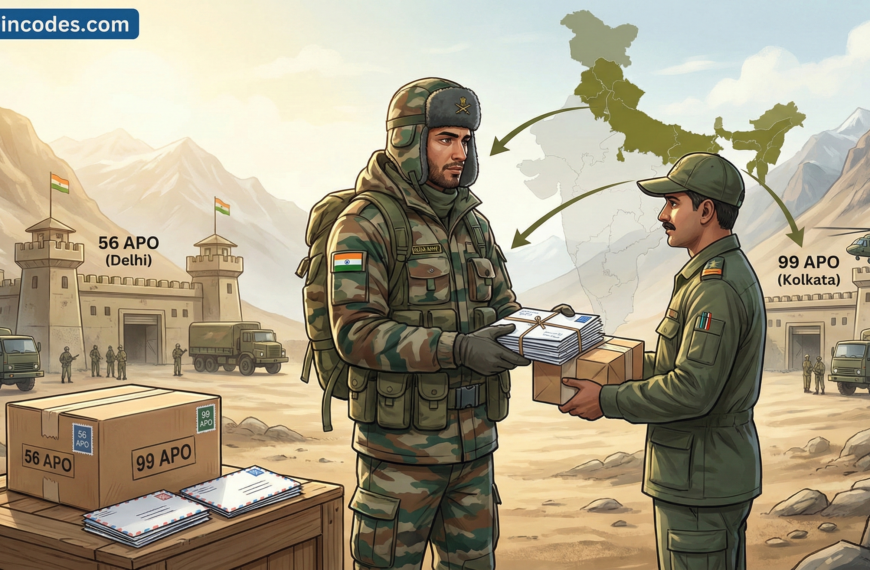
- Army Postal Service: Field Post Offices for the Army
- 8 and 9: Set aside for special cases or future use
This setup keeps the whole postal system organized, no matter where you are in the country.
Why Getting the PIN Code Right Matters
Using the correct PIN code isn’t just about following the rules—it actually makes a real difference:
- It gets your mail and parcels delivered on time.
- Online shopping platforms use it to check if they can deliver to your address.
- It’s a must-have for government paperwork like Aadhaar, PAN cards, and anything official.
- Emergency and utility services use PIN codes to figure out coverage areas.
If you mess up the PIN code, you risk delays, lost packages, or even missing out on services.
Common Headaches with PIN Codes
Even though the system is pretty solid, people still run into problems:
- Big cities usually have more than one PIN code, sometimes several in a single neighborhood.
- New housing areas might not show up right away in postal directories.
- There are plenty of places with duplicate or confusingly similar names.
- In rural spots, postal coverage isn’t always obvious.
All this means you can’t always rely on memory or guesswork—you need a reliable source.
How to Find the Right PIN Code
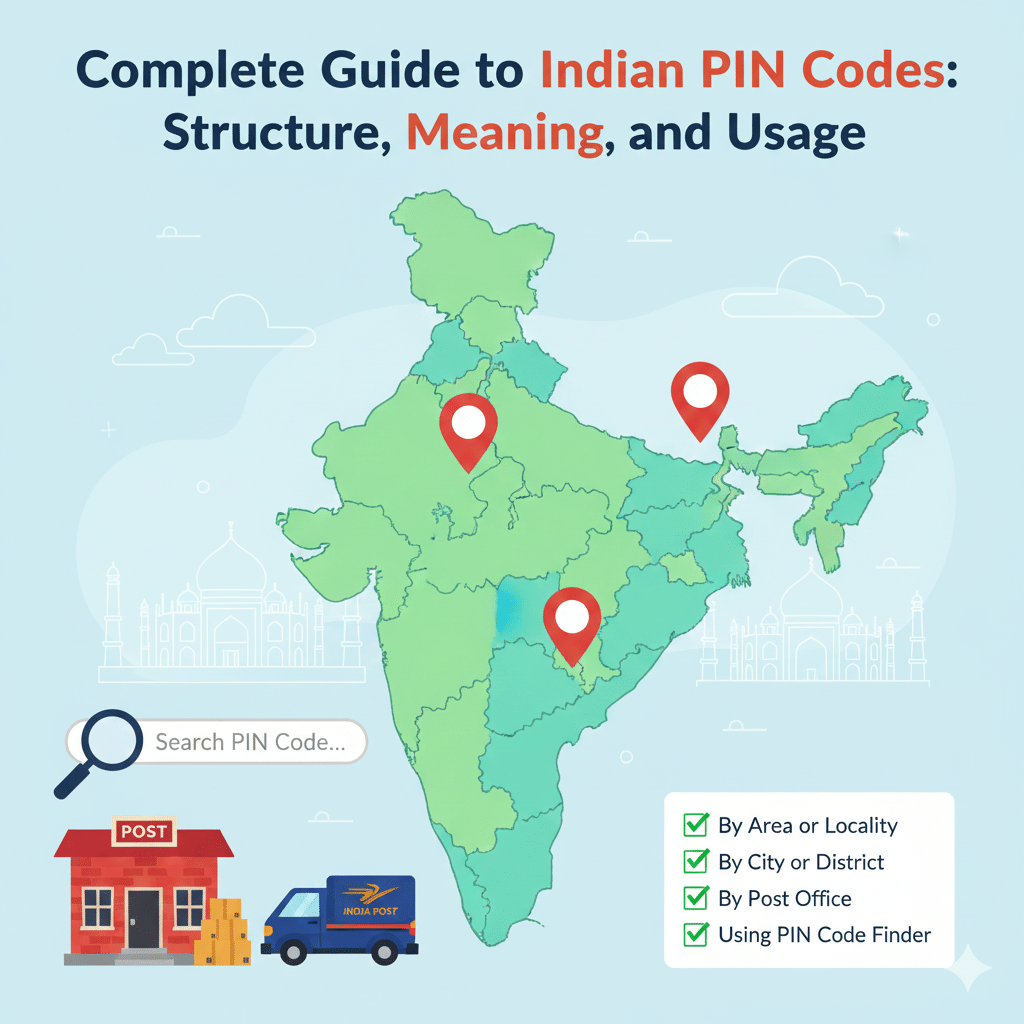
- Search by Area or Locality Name
Most folks start by looking up the name of their area or colony. In cities, this is usually enough, but if there are lots of PIN codes nearby, throw in a landmark or local subdivision to get it right. - Search by City or District
If you’re not sure about your exact neighborhood, look up the city or district. This comes in handy when you’re moving or double-checking an address. - Search by Post Office Name
Every PIN code ties back to a specific post office. If you know which one’s nearby, you can find the code fast. This trick works well for rural areas and government forms. - Use Dedicated Websites
Sites like AreaPincodes.com let you search by area, post office, district, or state. They keep their data updated, so you’re less likely to run into old or wrong info.
Urban vs Rural PIN Codes
In cities:
- You’ll usually find lots of PIN codes, since they’re assigned by neighborhood or delivery route.
- The codes change more often as cities grow and new areas pop up.
In rural areas:
- One post office might handle several villages, so there are fewer PIN codes.
- Updates don’t always happen as quickly as in cities.
Knowing this helps you avoid confusion, especially if you’re filling out forms or ordering something online.
How People Use PIN Codes Every Day
- Mail and couriers get routed to the right post office.
- E-commerce sites check if they can deliver to your area.
- You need a valid PIN code for government forms like Aadhaar, PAN, and voter registration.
- Emergency services use them to figure out where you are.
- Banking & Payments: Getting the address and PIN code right is a big deal, especially for KYC. It keeps things smooth and compliant.
Tips to Avoid PIN Code Mistakes
- Don’t just write the city—always mention the exact locality or post office.
- Use trusted, up-to-date sources when checking PIN codes.
- Double-check PIN codes if you’re dealing with new layouts or villages.
- Always confirm the PIN code before you fill out any forms or place online orders.
- If you run deliveries for a business, keep your PIN code list updated.
FAQs
Can two places have the same PIN code?
Yes, sometimes nearby areas share a post office, so they end up with the same PIN code.
Do PIN codes ever change?
It’s rare. But when new areas pop up or postal zones get reworked, new PIN codes show up.
Is a PIN code the same as a ZIP code?
Nope. ZIP codes are for the USA. India uses PIN codes.
Where can I get accurate PIN code info?
Check official India Post sources or sites like AreaPincodes.com—they keep things current.
How AreaPincodes Makes PIN Code Searches Easy
AreaPincodes is simple to use. You can search by area, city, district, or post office. You get all the details—state, district, everything. Plus, their database gets regular updates, so you know the info is solid.
This means fewer mistakes, faster results, and you can actually trust what you find.
Conclusion
Knowing how PIN codes work matters. It’s the key to hassle-free deliveries, smooth postal services, and making sure addresses check out. Tools like AreaPincodes make it quick and easy to find the right code, no matter where you are in India.
Whether you’re sending a letter, running a business, or just filling out a form, the right PIN code makes sure your stuff gets where it needs to go. Start searching now and see how much easier reliable postal service can be.